WE HAVE MOVED!

If you would like to continue getting great fitness information, please visit our website to see the new blog. You can also sign up for the newsletter to be reminded when our new blog posts come out!

Friday, April 13, 2012

Summer Body Workout Plan

What is the biggest difference between those people who achieve success in their weight loss/body composition goals, and those who continue to struggle? What separates the lose-quick, gain-quick diets from approaches that have long-lasting results? While many factors play a role in this (some of which we will talk about today) the biggest is persistence. Think of anything that is worth achieving...does it usually come quickly and last forever? No.  It takes trial and error, daily effort, and a never-ending desire to reach your goal. So how does all this relate to making sure you look good for the summer? Persistence in the short term provides an opportunity for building habits for the long term.

The main habit we will be talking about today is exercise. There is no shortcut to getting lean and looking great; it takes consistent, focused exercise. No two-hour jog on the treadmill while watching your favorite show is going to produce any type of noticeable results. We need to get moving and work hard! So if you want to look and feel great for the summer, here is your schedule for the next three months. There’s a catch, though: when you get there…don’t stop! This is not just a “get-in-great-shape” routine. This establishes what it takes to stay fit, as well. It’s a lifestyle change, and once you have built it into your routine, don’t let it slip away!

It’s Exercise Time

This program will require daily activity with purposeful exercise 5 days a week. The time you spend each day will vary, but doing SOMETHING every day is critical. Here is your weekly breakdown:

Mon/Wed/Fri: Strength Training

Strength training is the most effective exercise technique for building lean muscle mass and burning body fat. Be sure to include compound movements (full body) and keep off the machines as much as possible. Your body responses much better to activities that require you to support your own body weight such as squats/split squats, deadlifts, push ups, pull ups, inverted rows, and overhead presses.

Tue/Thu: High-Intensity Anaerobic Training

The next best thing you can do to help burn fat is anaerobic training. This is essentially a more intense variation of traditional cardio. You can run, bike, swim, jump rope, etc., alternating between intense bouts of work and rest periods. The beauty of this work is that you can get it all done in 15 minutes or less, yet achieve better results than spending 60+ minutes doing slow steady pace work in the same activity.

Every day: Active Recovery

If you are doing your strength training and anaerobic training, you will need some light activity to help with your recovery. This includes walking, gardening, house cleaning, playing sports, or just doing light swimming or biking. Staying active will not only help you to recover, but also help to keep you burning fat between workouts. The 10,000 step rule is no joke—it can make a huge difference—and if you have a desk job, it’s time to find ways to get those steps in!

Make Food Your Friend

If you are going to put all this work into getting lean for the summer, don’t just throw it all away by continuing to eat the same way that got you where you are now. Think of it this way; each meal you eat can either support your workouts or negate your workouts. This doesn’t mean you cannot ever have “unhealthy” foods, but just try to support your exercise with your meals as much as possible.

Persist and Prosper

As mentioned earlier, this process will take some trial and error. Depending on how much you exercise right now, this may be an unthinkable amount of work to do right away. If so, then don’t do it all immediately. Set up a plan for how you will slowly build in all these pieces. Maybe you can only do strength training or only the walking: no problem. Start building one activity in and set a goal to focus on just this for one month. Then, once you have it down, add in the next piece. Even if you only do one new activity a month, you will have completely transformed your workout routine in 3 months.

On a similar note, once you do build this exercise routine into your lifestyle, keep it up! While this will definitely help to get you looking good for the summer, there are more important things in life than just having a 6-pack. Keeping yourself in top condition also means that you will feel better, have more energy, spend less time being sick, and will reduce your risk of disease and injury. Use the summer as your excuse to build your routine, then use your life as your excuse to keep that routine.


Thursday, April 5, 2012

The Fat Finale

Welcome to the last installment in our series on fat. We have already seen that fat is an important part of a balanced diet, can help us to lose weight, and will help to improve our heart health!

Today we will conclude our series by looking at some of the psychological barriers to changing our cultural views on fat and then how we can best utilize fat in our daily lives.

The Psychology of Fat

Fat is required for keeping our bodies working at their best. Our brains, nerves, and cells all depend dearly on the fat that we consume if they are to work properly. While we know that fat is an important part of our diet, it can sometimes be hard to get past the psychological fear of gaining fat from eating fat.

We have become obsessed with food quantity when quality is just as important if not more important. We have gone overboard on the low-fat, low calorie foods and wonder why we are not getting any healthier (or leaner). We have mistaken weight loss for fat loss, and being skinny for being healthy. Just the fact that fatty acids derived from food and adipose tissue are both referred to as FAT make this a difficult issue. It is as if every time we think of the fat content of a food, we expect it to just settle right in to our love handles without a second thought.

It takes an open mind to reprogram our thoughts and behaviors, but it is going to be important if we are going to have any chance of healing ourselves. The food industry has been capitalizing on our fat fears for too long and it is time to retake control. (If an item is low-fat, it is almost inevitably high-sugar, and sugar is addicting and increases your appetite, so you want more "low-fat" foods, more often!). 

Let’s look at fat in a new light. Let’s think of fat as:

     -  The stuff that makes up 70% of our brains.
     -  The only macronutrient capable of transporting vitamins A, D, E, and K into our bodies.
     -  A key player in hair and skin health.
     -  One of the main structural components of our cells.
     -  Necessary for optimal functioning of the nervous system.
     -  One of the important players in calcium absorption (bone density)

Fat is not just important, it is vital for survival. We cannot live without the right fats, and our bodies function best when we are eating the right amount of fat.

How to Use Fat

If our understanding of fat has changed, then our use of fat must change too. Here is what I feel is the best strategy to make sure you are taking in the right fats:

1)  Eat grass-fed/wild caught animal products. These animal products have a beautiful balance of fats, while also providing a variety of vitamins and minerals that are stored in the fat. If you are unable to do so, find lean cuts of grain-fed meat and supplement with fish oil. While this is not optimal, it can be much cheaper, and will help you to avoid the toxins stored in the fat of grain-fed animals.

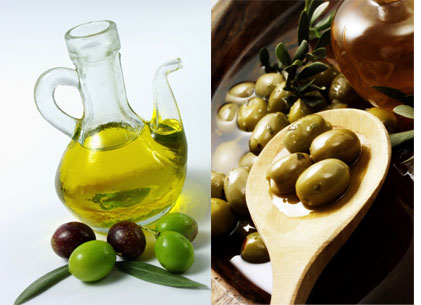
2)  Eat more avocados, olives, and coconut products. As you may already know, avocados and olives are a wonderful source of monounsaturated fat and can be great for snacking or for adding to other meals. Coconut products are full of medium-chain saturated fats which have a host of beneficial properties. Choose between coconut oil for cooking, coconut milk for drinking or adding to dishes, coconut butter or flakes to add as toppings, or just straight coconut for eating!

3)  Use saturated fat for cooking. Saturated fat is the most stable type of fat when exposed to heat, so using plant fats such as coconut or palm oil and grass-fed animal fats (lard/tallow) are best used for cooking. Your local farmer’s market should have a grass-fed beef stand, and I am sure they would be happy to sell you some of the fat.

4)  Use monounsaturated fats as dressing. Oils such as olive oil, avocado oil, and macadamia nut oil can be great on salads. I prefer these as dressings because while more stable than polyunsaturated fats, I still worry about cooking with them. They should be all right for low temperature cooking & baking, but I prefer to just add them cold.

5)  Avoid vegetable oils, and use nuts, seeds, and their derivatives as you would a condiment. Nuts and seeds can be a tasty addition to any meal, we just don’t want to go through a bag of almonds every day. Think of them as a topping and enjoy their flavoring.

There are tons of ways to include a variety of fats, but the goal should always be to use the right fat for the right reason. Start thinking about how you use fats on a daily basis and see where there is an opportunity to make a change for the better.

That concludes our series on fat. I encourage all of you to continue to learn about fats and experiment with them in your diet. We can read all we want, but until we start playing around with some of this stuff there is no way to know how it will affect our health. So let’s figure out where we can make a change in our current diets and start getting in those healthy fats today!

Comments:

This article has a lot of solid information that is still very relevant. Luckily I have noticed that more and more people are realizing that what they have been told about dietary fat and health has not worked out so well for them and are already looking for alternatives. The shift in how we think about fat in our diet has begun and I am excited for our future as we continue to undo the damage caused by the vegetable oil push for the last 50 years. 

The only thing I would like to expand on is the detrimental effect of eating "low-fat" food products. I touched on this in the article, but this is a serious issue that can really cause some issues for those people trying to stay healthy and lose weight. As I mentioned, when you take fat out of something, you cannot just leave it as it is. It would taste terrible! So instead, you must add sugar and salt to flavor it up. When you eat sugar, it effects some of the same brain receptors that drugs do, and generally leads to increased cravings. This is why if you have ever tried to cut sugar out of your diet, you have terrible cravings for the first few weeks, but then, all of a sudden, you really don't want them any more. This is the withdrawal period. 

What makes sugar even worse is that it actually decreases your satiety, meaning that you will not feel full as long after your meals. This leads to eating more throughout the day and hinders any chance of weight loss. The last issue with sugar is that every sugar molecule is 50 percent glucose and 50 percent fructose. As I explained more thoroughly in my article Fast Track Your Fat Loss: Elimate Fructose, fructose is not good for fat loss. It has very limited use in the body and increases the rate at which fat is stored, while decreasing the bodies ability to release fat. All bad things. 

So in the end, stay clear of those low-fat foods, and sugary foods in general, and focus more on where you can get in your healthy fats. It doesn't take a ton of fat to make a meal taste good, and if you use the right kinds, it will actually help you lose weight and stay fit in the process.


Saturday, March 31, 2012

Cholesterol Mythology

Continuing our series on why fat is healthy, let us turn our attention to what I consider the most commonly referenced myth regarding fat and health.

Myth #2: Eat vegetable oils, not saturated fat.

I hear this all the time, and it is unsettling that this myth still persists in the face of recent research and when compared to ancestral eating patterns. Let’s first take a look at why saturated fat need not be avoided, and then we will discuss why vegetable oils are some of the least healthy fats (outside of trans fats which I are usually manmade).

Saturated Fat and Cholesterol

If you have the time, the article below does a great job of discussing fat including the misconceptions about saturated fat. If you do not have the time, I have summarized what I feel are the take away points below.


First, there has been little research showing any link between saturated fat and heart disease, and new information is coming out that other factors such as triglyceride levels and lipoprotein type (not amount) are more important risk factors. The original studies showing that saturated fat and cholesterol relate to heart disease were based on correlative data with little actual research. 

Second, cholesterol needs to be better understood. Cholesterol is an important molecule in the body that is manufactured within the cells and is TRANSPORTED by lipoproteins (LDL, HDL, etc). Cholesterol is important for the synthesis of bile acids, steroid hormones, and vitamin D. It is also required for building and maintaining cell membranes. Lipoproteins, on the other hand, are transport molecules that move fat and cholesterol around the body. There are three main types of lipoproteins: VLDL, LDL, and HDL. VLDL is responsible for transporting triglycerides (fat). LDL is responsible for transporting cholesterol from the liver to the cells of the body. HDL is responsible for transporting cholesterol back from the cells to the liver (to be recycled). Studies are starting to find that when VLDL is high (high triglyceride levels), and HDL is low, LDL starts becoming small and dense. This increases the risk that these particles will get stuck in the arterial lining, leading to inflammation and plaque build-up. Studies are also starting to show that the ratio of HDL to LDL is more important than total cholesterol. How can you raise HDL? Eat more fat (saturated included), and exercise more.

Finally, triglyceride levels and small, dense LDL particles (the two things that are related to heart issues) are more associated with high-carb diets. Our bodies only need a limited amount of carbohydrate intake to function optimally, so any excess carbs will be turned to fat and stored for future use. Insulin plays a big role in this, which, as we talked about last time, is an important hormone in blood sugar regulation and fat storage. While the link between high-carb diets and high triglyceride levels has become more apparent, there have only been comparative studies on LDL particle size. Basically, we know that when you compare high-fat diets to high-carb diets, the high-fat diet will result in lower levels of small, dense particles. So it looks like higher-fat, with adequate saturated fat in the diet is the way to go to get your cholesterol in check!

Below I have posted a number of other links that will give you more information on these topics.


Vegetable Oils and Polyunsaturated Fats

If saturated fat is not bad for us (and is actually very important for optimal health), do we still need to have vegetable oils in our diet?? No! Not only do we not need vegetable oils, I will argue that they actually decrease our overall health.

Vegetable oils are predominantly polyunsaturated, meaning they have more than one double bond within the molecule. Why is this important? Because more double bonds = a less stable molecule. They breakdown easily, become rancid with little exposure to light or heat, and are much more likely to become toxic in our bodies. In other words, cooking with vegetable oils is definitely out, but even without heat, you are taking a risk. Many vegetable oils are rancid before they are even opened due to light contamination.

The second issue with veggie oils is that they have an unfavorable ratio of omega-6 to omega-3 fatty acids. Omega-3 has been getting press due to its heart-healthy properties, and one of the main health benefits is that it balances out the overwhelming quantity of omega-6 fats that most of us consume each day. Between the consumption of corn-fed animal products, vegetable oils, grains, nuts, beans, and dairy, the average American eats up to 20x MORE omega-6 than omega-3 when a healthy ratio would be closer to 1:1. While fish oil and other such omega-3 supplements can help, there is just no way to counteract such high quantities of omega-6. We need to decrease the amount of omega-6 intake, starting with eliminating vegetable oils.

Myth Debunked

So there you have it. Stop avoiding saturated fat and start replacing your high-carb/vegetable-oil-as-the-main-fat diets with more saturated fat (animal products) and fat in general. As you make this transition, one important thing to know is that there is a BIG difference between grass-fed/wild animal products (and the fat that comes with them) and corn-fed, farmed animal products. If you can afford to eat grass-fed/wild, go for it. If you cannot, stick with leaner meats as the toxins that these animals are exposed to will be stored in the fat. You can supplement your fat by using coconut oil/milk, butter (you can find grass-fed at Whole Foods), or by rendering your own fat (or you can easily buy some from the grass-fed beef stand at the farmer’s market). All of these are great for cooking as saturated fat tends to be the most stable when exposed to heat.

Next week, we will conclude this series with some of my thoughts on the psychology of fat and more strategies on how to best increase the fat in your diet.

Comments:

This is another great article, and I highly recommend reading the links included to get even more info on fat and health. There are two points that I would like to add, but all in all, this stuff hasn’t changed much.

The first is a new calculation you can use to determine if your LDL particles are large and fluffy (low-risk) or small and dense (high-risk). While you can pay extra to test your LDL partial size, a faster, cheaper way to find out is to look at your HDL to Triglyceride ratio. All you have to do is divide your total HDL into your total Triglyceride count, and you will instantly know your risk level. 2 or below = low risk, 2 to 3 = moderate risk, 3+ = high risk. So if your triglycerides are 150, and you HDL is 50, you are borderline for being at risk (150/50 = 3). If your triglycerides are 75, and you HDL is 75, you are in the clear!

The second point I would like to add, and really just reiterate from the last post, eating more fat does not mean eating tons of fat. It is about having a healthy balance of foods. If you are eating grass-fed/wild animal products and cooking with coconut oil, and eat a variety of foods (including avocados, olives, nuts/seeds) you are getting plenty of fat. I feel that this series comes off as saying go eat lots and lots of fat, when really you should just be focused on moderate amounts of quality fat while avoiding dangerous fats (veggie oils, trans fats).

That’s all for this week though, so enjoy your fats and optimize your health!


Friday, March 23, 2012

End the Low-Fat Madness!


Last year, I wrote a series of articles focused on debunking the myths surrounding dietary fat as it pertains to fat loss, cholesterol, and general health. I have been receiving a lot of questions about this topic lately and thought it might be time for a refresher. For the next three weeks, I will be re-posting my series with commentary based on current research and experiences. It's good to refresh sometimes, so here we go!

Fat Is Fuel Not Foe (Part 1)

Every day we are bombarded by marketing hype expressing how low-fat, low-calorie diets are the way to a healthier, leaner life. We are told to eat vegetable oils because saturated fat leads to heart disease. We are told that fat makes us fat, so limit it as much as possible. Just look at the old food pyramid, with fats & oils lumped together with sweets as the most limited food sources. Even in the new pyramid, there is a focus on limiting fat, and a recommendation to use soy, corn or canola oil if you must. Even with all of this focus on healthy eating, America sinks deeper and deeper into a world of disease, obesity, and medication. Maybe it is time that we question some of these long-standing “truths” about our nutrition. Over the next few weeks, we will explore some of the most common myths surrounding fat, and what you can do to start making healthier choices when it comes to your dietary fat.

Myth #1: Fat makes you fat.

This myth is linked to another myth that I have talked about before: that calories are all that matter when talking about weight. It is commonly thought (and taught) that if you eat less and move more, you will lose weight. Because fat has 9 calories per gram, it is often advised to just cut the fat as it will be the easiest way to remove calories. Even more common is replacing fat with carbohydrates. Carbs only have 4 calories per gram, so now you can get the same quantity of food (in grams) but with half the calories! Hurray!

Unfortunately, not all calories are created equal. Your weight and fat storage is going to depend MUCH more on how your body responds hormonally to a given food than to the amount of food you ingest. This is not new information either, though now the mechanics behind it are better known. In 1956, a study came out showing that while caloric restriction could lead to weight loss, there were strange results when the macronutrients were manipulated.


The researchers found a number of intriguing results. First, during a comparison of 1000 calorie diets, each comprised of 90% fat, protein, or carb, the results showed a significant difference in weight change based on food emphasis. The group consuming 90% fat lost the most weight with protein close behind, while the carb group actually GAINED weight.

Not only this, the researchers also found that when comparing a 2000 calorie diet that was balanced in its macronutrients to a 2600 calorie diet that was high in fat and protein, the higher calorie group lost more weight!

While this is just one study, it was one of the first to compare diets from the perspective of calories and macronutrient breakdown. As our understanding of hormones and their influence on fat storage and weight control continue to develop, these findings become less shocking. One of the most important hormones in regards to fat loss is insulin. It is very difficult to lose fat or weight when we have chronically high levels of insulin. Insulin is released in response to an increase in blood sugar (insulin signals cells to store sugar, therefore decreasing sugar in the blood), so the more carb-dense your diet, the more insulin you will produce. This is the underlying cause of type 2 diabetes. When blood sugar levels are chronically high, your cells eventually resist the message from insulin to open up and take in sugar. When this starts, your blood sugar increases even more because it has nowhere to go, and insulin production increases even more! So now you have a rapid increase in blood sugar and insulin, which can lead to an increased rate of fat storage. The only way to reverse this process is to cut the sugar (carbs), and allow your blood sugar to stabilize. Coincidentally (or maybe not so), the best way to keep your blood sugar stable is to have more fat in the diet!

So it seems that fat actually makes you skinny. This is not to say that carbs are not important, but there has to be a balance. If you are struggling with fat loss, take a look at how much sugar/artificial sweetener/starch you have in your diet and see if that would be a good place to start.

Commentary:

This information is all still pertinent, though there are some thoughts that I would like to emphasize. First, carbs are not evil, they are necessary. What we must remember, however, is that vegetables are still carbs, and a low-carb diet is not a no-carb diet. The reason "low-carb" can be so effective is because most people eat a significant amount of calories from starchy carbs. Besides the fact that cutting starch is an easy way to cut calories, it also helps with hormone regulation. Carbs beget carbs, so the more you eat, the more you want to eat, and the more your body stores.

This leads to my second point, calories do matter. They are not the end-all be-all, and they say nothing for hormonal balance or overall heath, but at the end of the day, you cannot eat endlessly and hope to lose weight. The reason protein, healthy fats, and lots of veggies can be a good base for a diet, however, is that you will feel fuller faster, and stay fuller longer. It acts as a natural calorie control.

The last point I would like to make is that eating more fat is relative. As we already mentioned, endless calories are not the way to lose weight, and endless fat is not either. Eating more “healthy fats” (coconut oil, grass-fed tallow, palm oil, olive oil, macadamia nut oil, etc.) than the low-fat craze has recommended is a good idea, but that doesn't mean you want to just load up. Use them as needed, and enjoy the flavor they add to your dishes. They are not to be feared!

Again, great info above and we would all do better to cut the immense amount of carbs in our diets and get back to eating a normal amount of fat.


Thursday, March 15, 2012

8 Daily Habits to Help Lose That Gut!

We talk a lot about habits in our articles, how it’s important to do one thing at a time, and how success is found in the building of consistent routines. That’s all fine and good, but it doesn’t help much without some tangible actions to take! So today, let’s run through some daily habits that can help burn some fat while keeping you happy and healthy.

1) Eat eggs for breakfast. Forget the outdated cholesterol issue (read Fat is Fuel, Not Foe (Part 2) if you want to find out more on this), it’s time to get your protein in! Studies show that those people who get in a good portion of protein in the morning eat fewer calories the rest of the day.

2) Stand up. Find opportunities to stand up and move around throughout the day. Use a stand up desk if you can, or just find times to get up from your desk and walk around the office. Walk at lunch, walk to the water cooler, walk around your block, and stand up while talking on the phone. The more you are on your feet, the more your body will be working to keep you lean.

3) Stay positive. You actions are a direct representation of your mood, which is a reflection of your attitude. When we get down on ourselves, and think that we will never reach our goals, we end up creating a self-fulfilling prophecy. Staying positive has the same effect, where we end up achieving more and feeling better simply due to our attitude.

4) Don’t eat in front of the TV. Studies show that when you eat in front of your TV, you are MUCH more likely to overeat. Mindless eating tends to lead to over-consumption, so eating in front of the TV, in the car, or while surfing the web are all counterproductive when you are trying to lose weight.

5) Weigh yourself each week. Now, you could take other measurements instead or in combination with weight, but the idea is to keep track. If you don’t know where you are, or where you are going, then you have no way to know if what you are doing is making a difference. Weight, measurements, photos, clothing size, whatever is most important to you!

6) Skip the juice and have the fruit. If you are a juice drinker, think about cutting out the concentrated sugar bomb and replacing it with a fiber-filled piece of fruit. You will get a lot more out of it with a fraction of the sugar.

7) Put your produce where you can see it. If you come home with your veggies and stuff them in the back of the bottom drawer, you are not likely to pull them back out. By keeping them on the top shelf or out in a bowl, you great increase your chances of consuming these food items.

8) Drink water when you are hungry. Many times when we feel hungry, we are actually just in need of water. Having a glass of water not only keeps you hydrated but also fills your stomach so you no longer have the urge to eat!

Take these habits and start implementing whichever most interests you. They each have great potential; it just comes back to that daily implementation of the habit.